Understanding the Rigid Bronchoscope: A Comprehensive Guide
In the field of respiratory medicine, tools that provide access to the airway are essential for both diagnosis and treatment. Among these instruments, the Rigid Bronchoscope has played a historic and clinically significant role in managing airway disorders. Although flexible technologies have gained popularity in recent years, the Rigid Bronchoscope remains indispensable in many clinical situations due to its unique advantages.
The bronchial tree, which includes the trachea and bronchi, requires careful navigation during examination or intervention. A Rigid Bronchoscope is a straight, hollow metal tube designed to be inserted through the mouth and into the trachea. This instrument allows clinicians to visualize the airway directly, remove foreign bodies, control bleeding, and perform several therapeutic procedures that might otherwise be difficult or impossible with flexible alternatives.
Historical Background
The development of the Rigid Bronchoscope dates back to the late 19th century. Early pioneers in thoracic surgery recognized the need for direct airway access. As anesthetic techniques improved, so did the design of airway instruments. The rigid tube evolved significantly, incorporating lighting and optical systems that allowed physicians to see deeper into the tracheobronchial tree.
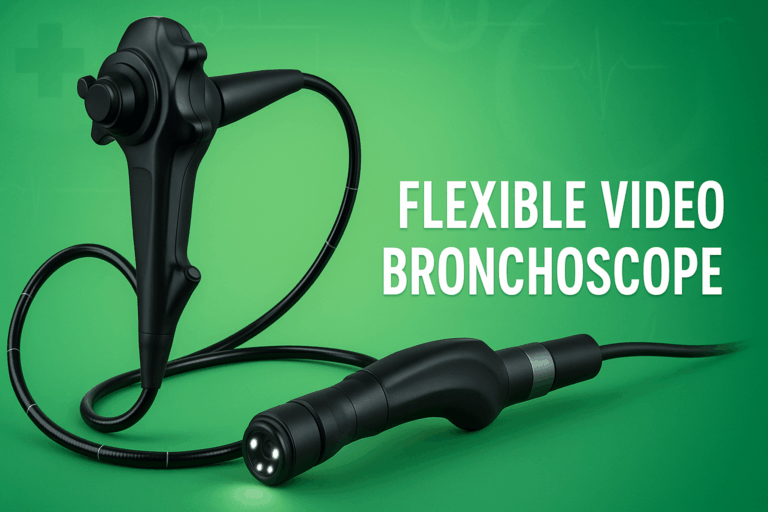
Over time, while flexible bronchoscopes offered less discomfort and greater reach into smaller airways, the Rigid Bronchoscope maintained its position in settings requiring robust intervention. Its ability to provide a large working channel, excellent suction capabilities, and effective control of massive bleeding makes it indispensable for complex airway management.
Anatomy and Design
The design of the Rigid Bronchoscope reflects its purpose. Typically made of stainless steel or other durable materials, it consists of a straight tube with beveled edges to help guide insertion. A light source is attached or integrated to illuminate the airway. Lenses and optical systems enable direct visualization without reliance on video screens, although modern versions may support video adaptors.
Different sizes of the Rigid Bronchoscope are used depending on the patient’s age and airway dimensions. Pediatric versions are narrower and shorter, while adult versions provide larger diameters to accommodate instruments for therapeutic interventions. The bevelled distal tip is designed to reduce trauma during insertion and to facilitate navigation past the vocal cords.
Clinical Indications
The Rigid Bronchoscope is used in a variety of clinical scenarios:
-
Foreign Body Removal
When objects become lodged in the airway, especially in children, the Rigid Bronchoscope is often the tool of choice. Its rigid structure and wide channel allow removal of hard and irregular objects that flexible instruments cannot easily retrieve. -
Massive Hemoptysis Control
Massive bleeding in the airway is life-threatening. The large lumen of the Rigid Bronchoscope permits powerful suctioning and visualization, enabling physicians to identify bleeding sources and apply therapeutic measures. -
Airway Dilation and Stenting
In conditions where the airway is narrowed (stenosis), the Rigid Bronchoscope can be used to dilate the airway or place stents to maintain patency. This use is critical in patients with tumors or scar tissue causing airway obstruction. -
Biopsy and Tumor Debulking
Tumors within the trachea or bronchi often require tissue samples to guide treatment. The Rigid Bronchoscope provides a stable platform to obtain biopsies and, in some cases, to remove portions of tumors obstructing the airway. -
Foreign Body Aspiration in Pediatrics
Children are more prone to aspirate small objects. In emergency settings, the Rigid Bronchoscope is preferred due to its reliability, speed of access, and ability to retrieve objects safely.
Procedure and Patient Considerations
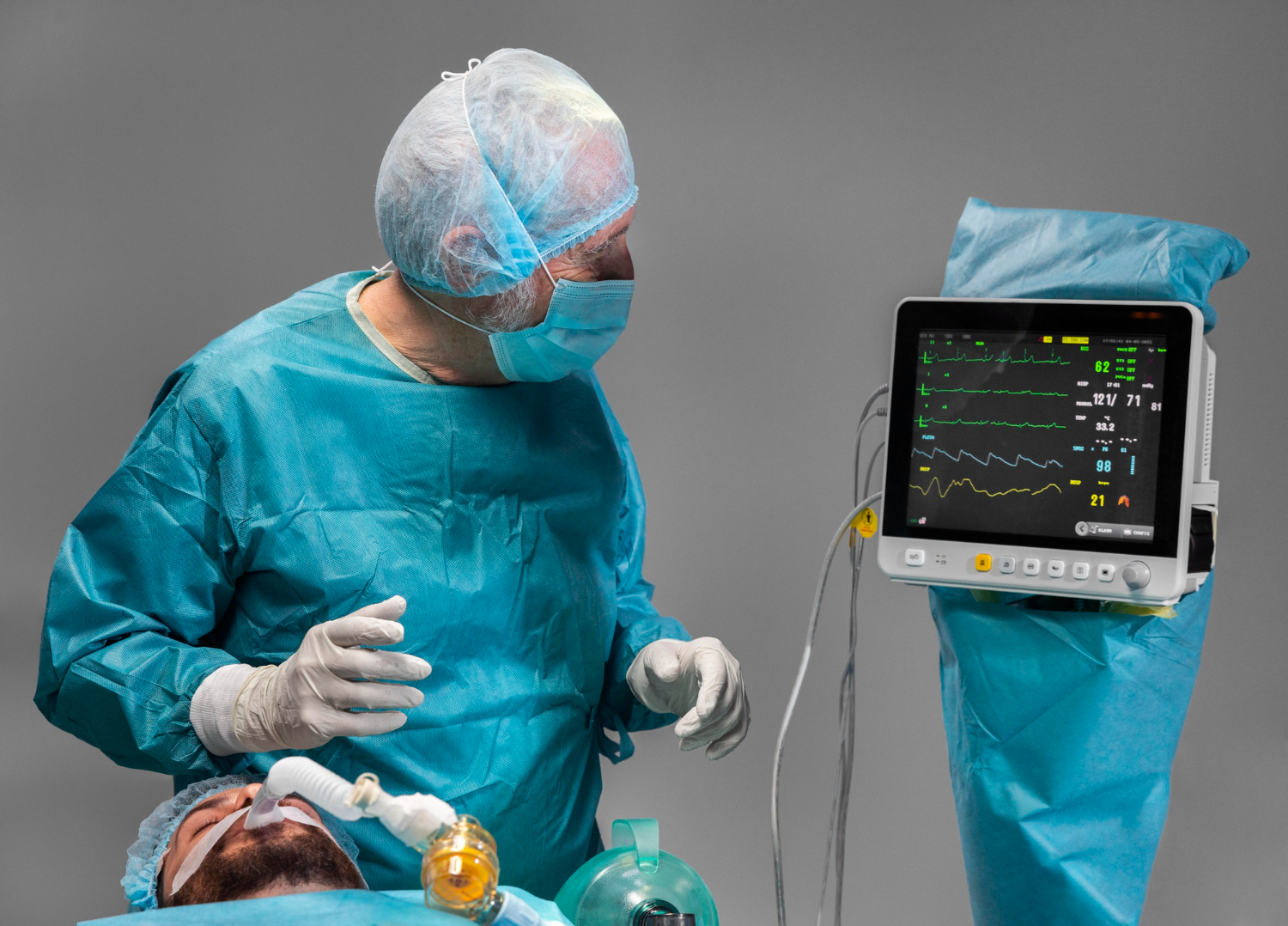
Performing a procedure with a Rigid Bronchoscope typically requires general anesthesia and skilled personnel. Patients are monitored closely throughout for oxygenation, heart rate, and other vital signs. The clinician, often an ENT specialist or pulmonologist trained in rigid techniques, inserts the instrument through the mouth after adequate anesthesia and relaxation.
Because the procedure involves manipulating the airway, there is a risk of complications such as bleeding, airway trauma, or bronchospasm. However, when performed by an experienced team, the benefits of using a Rigid Bronchoscope often outweigh these risks, particularly in emergency or complex therapeutic cases.
Advantages Over Flexible Bronchoscopy
While flexible bronchoscopes are excellent for diagnostic work and reaching deeper into the bronchial tree, the Rigid Bronchoscope offers specific advantages:
-
Larger Working Channel: The wider internal diameter allows passage of larger instruments and facilitates suctioning of thick secretions or blood.
-
Better Suction Power: In emergency bleeding cases, the strong suction capacity of the Rigid Bronchoscope is often unmatched.
-
Force Application: The rigid structure enables effective application of force for tasks such as foreign body extraction or tumor debulking.
-
Airway Control: For procedures involving massive hemorrhage, the Rigid Bronchoscope provides better airway control and visualization.
These advantages make the Rigid Bronchoscope particularly valuable in critical care and surgical settings.
Training and Skill Requirements
Using a Rigid Bronchoscope demands formal training and practice. Unlike flexible scopes, which many clinicians use routinely, rigid techniques require precise hand skills and coordination with anesthetic support. Specialized training programs and simulation labs have been developed to help physicians gain proficiency.
Clinicians must understand the airway anatomy thoroughly, be adept in handling the instrument, and be prepared to manage complications. Training also covers patient selection, preparation, and post-procedure care.
Technological Advances
Recent technologies have enhanced the utility of the Rigid Bronchoscope:
-
Integrated Video Systems: Although traditional rigid bronchoscopy relied on direct visualization through eyepieces, modern systems allow attachment of video cameras. This helps in documentation, teaching, and detailed examination.
-
Improved Lighting: LED lighting and fiberoptic enhancements provide brighter, more consistent illumination of the airway.
-
Hybrid Instruments: Some new designs combine rigid and flexible elements, giving clinicians the strengths of both tools in one.
These advances have revitalized interest in rigid bronchoscopy and expanded its applications.
Patient Experience and Recovery
Because the Rigid Bronchoscope procedure is typically done under general anesthesia, patients do not feel discomfort during the operation. After the procedure, they may experience a sore throat, hoarseness, or mild discomfort for a short period. Recovery protocols often include observation until anesthesia wears off, monitoring for airway swelling, and ensuring stable breathing.
Healthcare providers offer guidance on signs of potential complications, such as difficulty breathing, significant pain, or fever. Most patients recover quickly, especially when the procedure is performed for diagnostic purposes or minor therapeutic interventions.
Future Directions
The role of the Rigid Bronchoscope continues to evolve. With the rise of robotic surgery, augmented reality imaging, and enhanced endoscopic tools, rigid bronchoscopy may integrate with new platforms that further improve precision and safety. Research is ongoing to compare outcomes between rigid and flexible techniques, refine indications for each, and develop training standards that ensure quality care.
Conclusion
The Rigid Bronchoscope remains an essential instrument in modern respiratory medicine. Its unique design, combined with its powerful therapeutic capabilities, ensures that it holds a vital place in airway management. From foreign body removal to controlling life-threatening bleeding and enabling complex airway interventions, the Rigid Bronchoscope stands as a testament to the enduring value of the right tool in skilled hands.
Understanding the indications, advantages, and limitations of the Rigid Bronchoscope empowers clinicians and patients alike to make informed decisions about respiratory care. As technology advances, this venerable instrument continues to adapt, offering reliable solutions to some of the most challenging problems in airway medicine.