
Rigid Esophagoscope: Uses, Procedure, and Benefits
A Rigid Esophagoscope is a specialized medical instrument used by doctors to examine and treat conditions affecting the esophagus. The esophagus is the tube that connects the throat to the stomach and plays an essential role in swallowing food and liquids. When patients experience swallowing difficulties, persistent throat discomfort, or suspected blockages, doctors may use this device to closely examine the area.
This instrument has been used in medical practice for many years and remains important in certain diagnostic and surgical procedures. Its solid, straight design allows physicians to access the esophagus directly and perform precise examinations or treatments.
What is a Rigid Esophagoscope?
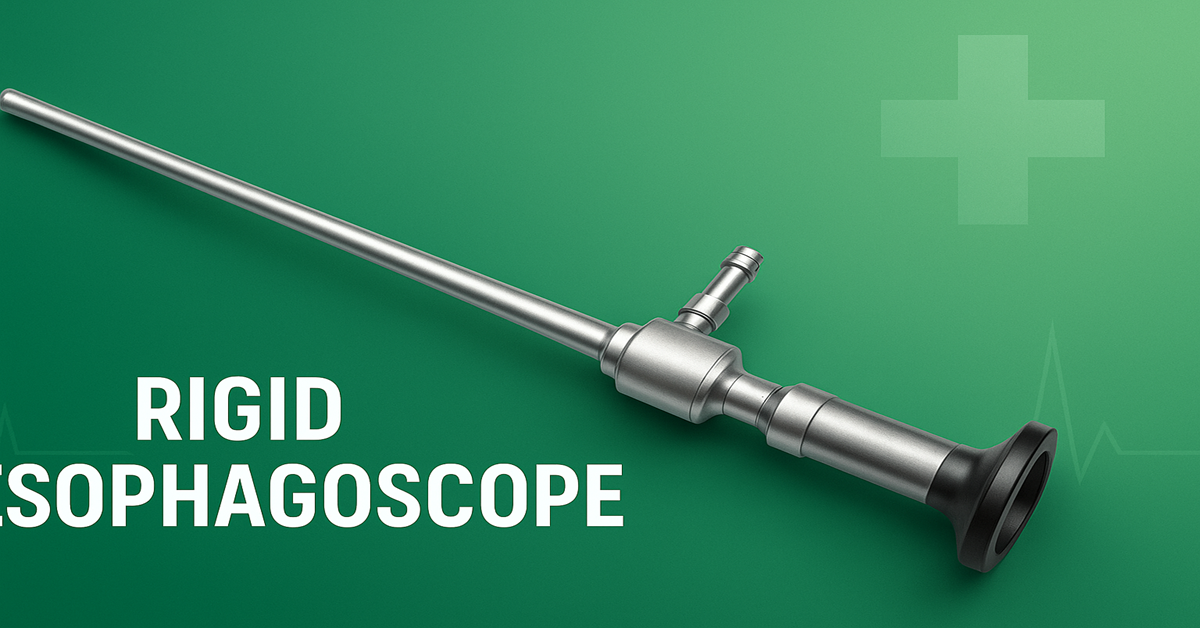
A rigid esophagoscope is a straight metal tube designed to provide direct visualization of the esophagus. It is usually made from stainless steel and contains a light source that helps doctors see inside the passage clearly. The instrument is inserted through the mouth and carefully guided into the esophagus.
Unlike flexible scopes, this device maintains a firm structure. Because of this design, it is often preferred for certain surgical or therapeutic procedures that require stability and precise control.
The instrument also allows doctors to insert small tools through it. These tools may be used to remove foreign objects, take tissue samples, or perform minor surgical procedures.
Common Uses of a Rigid Esophagoscope
Medical professionals rely on this instrument for a variety of diagnostic and treatment purposes. Some of the most common uses include examining the esophageal lining, detecting abnormalities, and removing obstructions.
One of the primary uses is identifying the cause of swallowing difficulties. Patients who experience pain or discomfort while swallowing may require a detailed examination of the esophagus.
Another important application involves the removal of foreign objects. In some cases, people accidentally swallow objects such as bones, coins, or small items. A rigid scope allows doctors to safely retrieve these objects.
It can also be used to examine suspicious growths or lesions. During the procedure, doctors may take a biopsy, which involves collecting a small tissue sample for further laboratory analysis.
Medical Conditions Diagnosed with This Instrument
Doctors may recommend the procedure when certain symptoms suggest possible problems within the esophagus. Conditions that can be diagnosed include strictures, tumors, infections, and inflammation.
Esophageal strictures occur when the esophagus becomes narrowed. This narrowing can make swallowing difficult and may require medical intervention.
The device can also help detect tumors or abnormal growths. Early detection is extremely important because it allows doctors to begin treatment as soon as possible.
Inflammatory conditions such as esophagitis can also be identified through direct examination. This allows physicians to evaluate the severity of the condition and recommend the appropriate treatment plan.
The Procedure Explained
Before the procedure begins, patients usually receive anesthesia or sedation to ensure comfort. The patient is positioned carefully while the doctor prepares the equipment.
The rigid esophagoscope is gently inserted through the mouth and guided into the esophagus. Because the instrument is straight and firm, the doctor must carefully control its movement.
Once inside, the doctor can view the internal lining of the esophagus through a specialized optical system. This allows for a clear and detailed examination of the area.
If necessary, additional instruments can be inserted through the scope. These tools may be used to remove objects, collect tissue samples, or perform minor treatments.
The entire procedure usually takes a relatively short amount of time. After it is completed, the instrument is slowly removed and the patient is monitored during recovery.
Benefits of Using a Rigid Esophagoscope
This instrument offers several advantages in medical procedures. One of the biggest benefits is the clear and stable view it provides for doctors. The rigid structure allows physicians to perform precise interventions when necessary.
Another benefit is the ability to use specialized surgical tools during the examination. This makes it possible to diagnose and treat certain conditions at the same time.
The instrument is also very effective for removing foreign objects that may be stuck in the esophagus. In emergency situations, this can be extremely important for patient safety.
In addition, the device allows for accurate biopsy collection. Tissue samples obtained during the procedure help doctors confirm diagnoses and determine the best treatment options.
Preparation for the Procedure
Patients usually receive instructions before undergoing the examination. One common requirement is fasting for several hours prior to the procedure. This helps ensure that the stomach and esophagus are empty.
Doctors will also review the patient’s medical history and current medications. In some cases, certain medications may need to be paused temporarily.
Before the procedure begins, the medical team explains what will happen and answers any questions the patient may have. This helps reduce anxiety and ensures the patient feels comfortable.
Recovery After the Procedure
After the procedure, patients are typically observed for a short period while the effects of anesthesia wear off. Mild throat discomfort is common, but it usually disappears within a day or two.
Doctors may recommend avoiding solid foods for a short time until swallowing feels normal again. Drinking fluids and resting can help support recovery.
If a biopsy was taken or a treatment was performed, the doctor will provide specific instructions for follow-up care. In most cases, patients can return to normal activities relatively quickly.
Risks and Safety Considerations
Like any medical procedure, the use of this instrument carries some risks. However, complications are relatively rare when the procedure is performed by experienced medical professionals.
Possible risks may include minor throat irritation, bleeding, or infection. Very rarely, there may be injury to the esophageal wall.
To reduce these risks, doctors carefully evaluate each patient before recommending the procedure. Modern medical equipment and improved techniques have made the process much safer than in the past.
Patients are also monitored closely during and after the procedure to ensure their safety.
Importance in Modern Medicine
Despite the development of flexible endoscopy tools, the rigid esophagoscope continues to play an important role in certain medical situations. Its stability and direct access make it especially useful for surgical procedures and emergency cases.
Medical professionals often choose this instrument when they need precise control or when removing foreign objects from the esophagus. Its reliability has made it a trusted tool in hospitals and specialized medical centers.
Advances in lighting systems and optical technology have further improved the effectiveness of the instrument. These improvements allow doctors to perform examinations with greater clarity and accuracy.
Conclusion
The Rigid Esophagoscope remains an essential instrument in the field of gastroenterology and surgical medicine. It allows doctors to examine the esophagus directly, diagnose medical conditions, and perform important treatments when necessary.
From identifying swallowing disorders to removing foreign objects and collecting biopsy samples, this instrument plays a valuable role in patient care. When performed by trained medical professionals, the procedure is generally safe and highly effective.
As medical technology continues to evolve, this device continues to support accurate diagnosis and treatment of esophageal conditions. Its long history and proven reliability make it an important part of modern healthcare.